First, the usual bit of business:
- Please share this survey link with your participants: WeDigBio participant survey
- If you hosted an event, please complete this survey: WeDigBio host survey
While I don't speak Norwegian, I do speak "Figures", and it looks like our new WeDigBio friends at the Oslo Natural History Museum had a fun and very successful day!

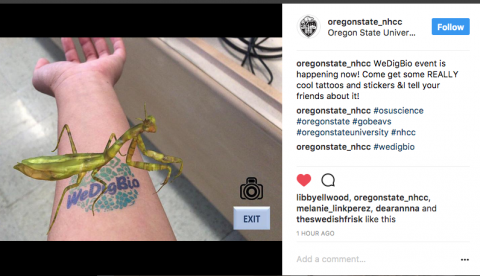
Events in the US included research talks, beautiful specimens, and smiling faces at the New York Botanical Garden, Botanical Research Institute of Texas, Smithsonian Institution (top left), The Field Museum (top right), University of Iowa Museum of Natural History (bottom left), and Oregon State University (bottom right).


The Twitter buzz, Notes from Nature stats, WeDigBio dashboard, and updates from various projects all point to a ton of work being completed over the last four days. Thank you, thank you, thank you hosts, participants, and supporters!
There's one last WeDigBio event tomorrow and we at WeDigBio will continue to be in touch with event tallies, updates, and ways to continue your involvement.
Now, let's turn to our favorite transcription platform, and give them some home stretch, WeDigBio transcription love.
And if you need a bit more motivation, consider the screenshot of a specimen collection locality below. With gems like this out there, I can think of no better incentive to mobilize biodiversity data. (Thanks for sharing!)